

- HOME
- Search in the site
- Nittaiji Temple (Kakuozan)
Nittaiji Temple (Kakuozan)
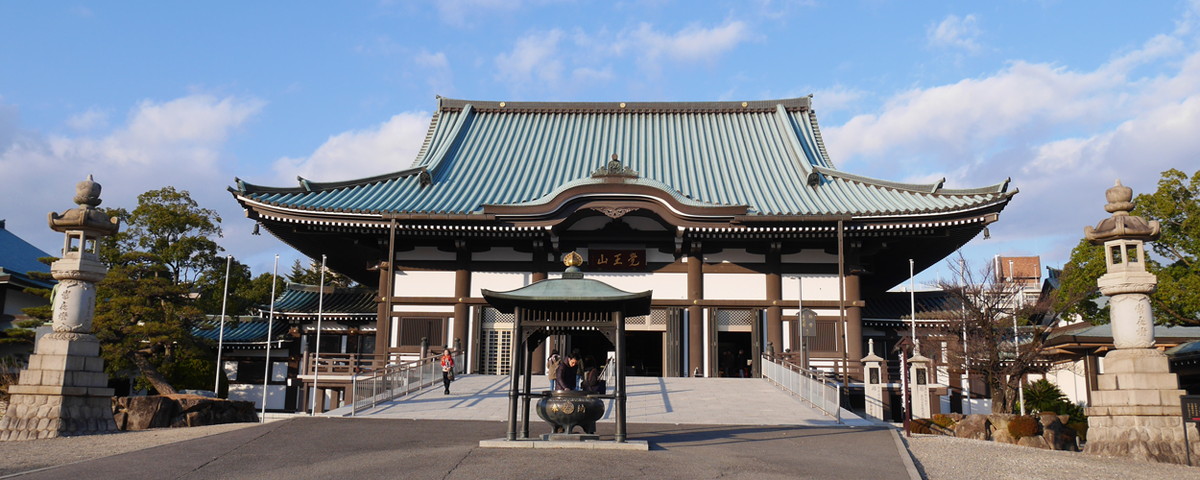
Japan’s unique resting place of the Buddha Holy Remains
People may not know about Buddhist practices with much detail, but most of the world certainly heard about Buddha. Historians agree that he really existed, and that the burial ashes accidentally found in 1898 are really his. Enter Kakuozan Nittaiji Temple, a holy repository of part of the Buddha sacred remains that were given as gift to Japan from King Chulalongkorn of Siam, the country now named Thailand.
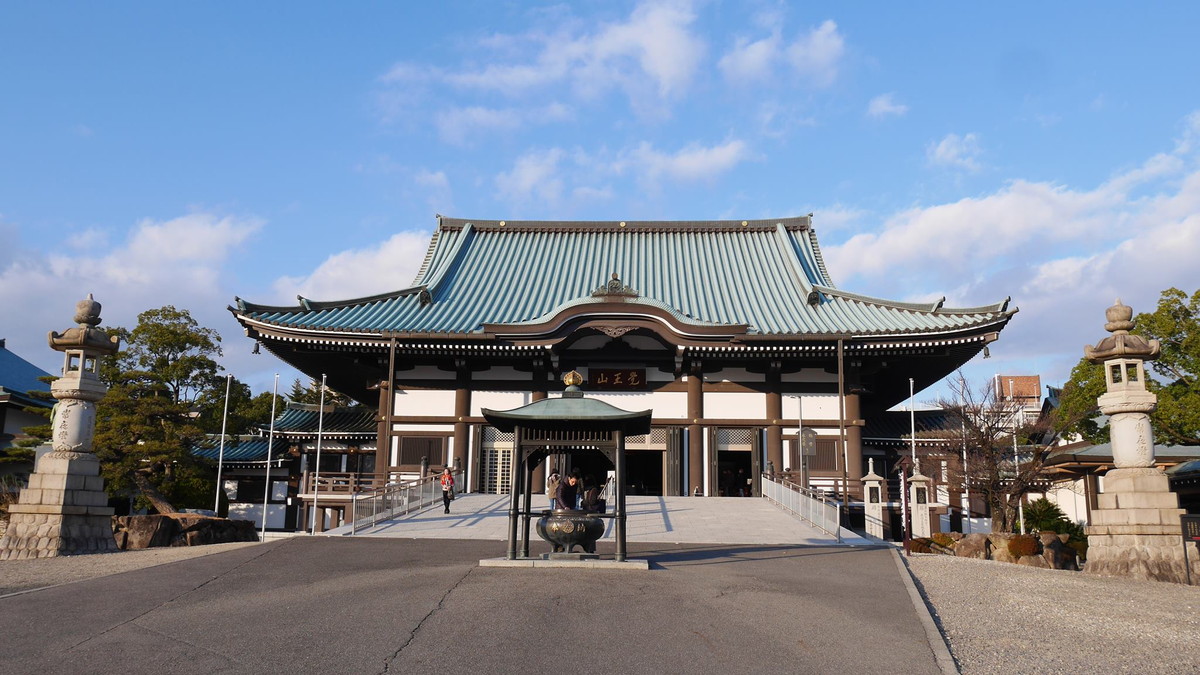
Built in 1904, this vast facility with over 330,000 square meters is a landmark to honor the friendship between Thailand and Japan, and to unify the several Buddhist sects of Japan. The very district name, “Kakuozan”, comes from this important place: “Kakuo” being one of the names by which Buddha is called in the country, and “zan” meaning “mountain”. Another interesting fact: when construction of the initial temple was completed, it was named Nissenji, which meant “Japan-Siam Temple”. In 1939, Siam became Thailand, and that prompted Japanese priests to rename it to the current denomination in 1942.
Besides the 15-meter high Gandhara-style stupa tower made in granite which enshrines the Holy Ashes, called Hoanto, the temple has several buildings that are a plateful for tourists.
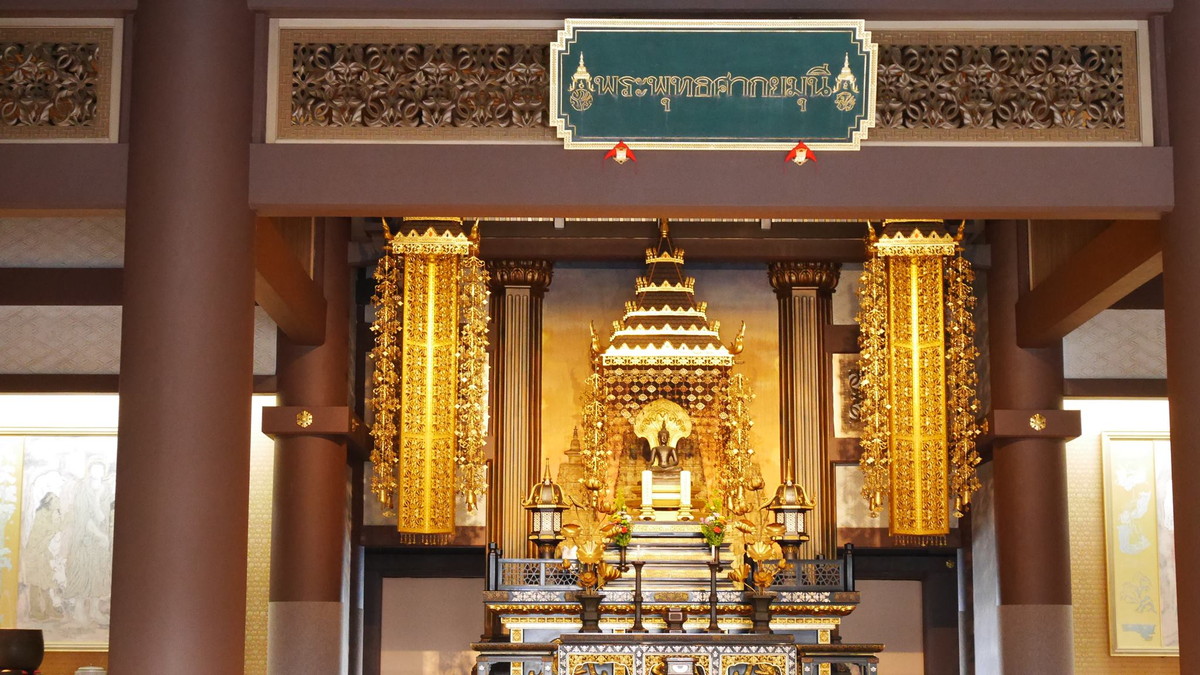
•Main Prayer “Hondo” Dharma Hall: houses the original figure of Buddha also donated by the King of Siam in order to congratulate the decision to build a dedicated temple. The bronze statue plated in gold is believed to have been already over 1,000 years-old when gifted to Japan, and was considered a National Treasure in Thailand not only for its spiritual significance, but also because its manufacture employed an ancient technique long forgotten in that country. It also houses several other important relics.
•“Shariden” Reliquary Hall
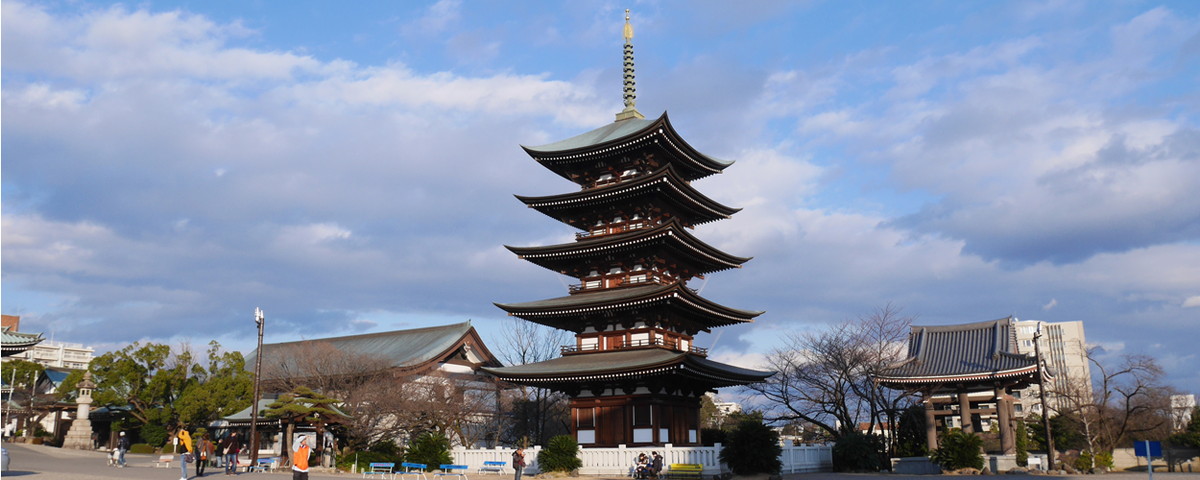
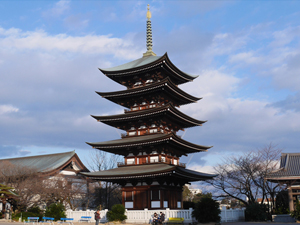
•“Gojunoto” five-storied pagoda: a 30 meter-high tower housing sutras also gifted by Thailand
•“Bochi” Cemetery: resting place of many important figures of the past
•“Reido” Spirit Hall: a modern indoor cemetery with four pavements
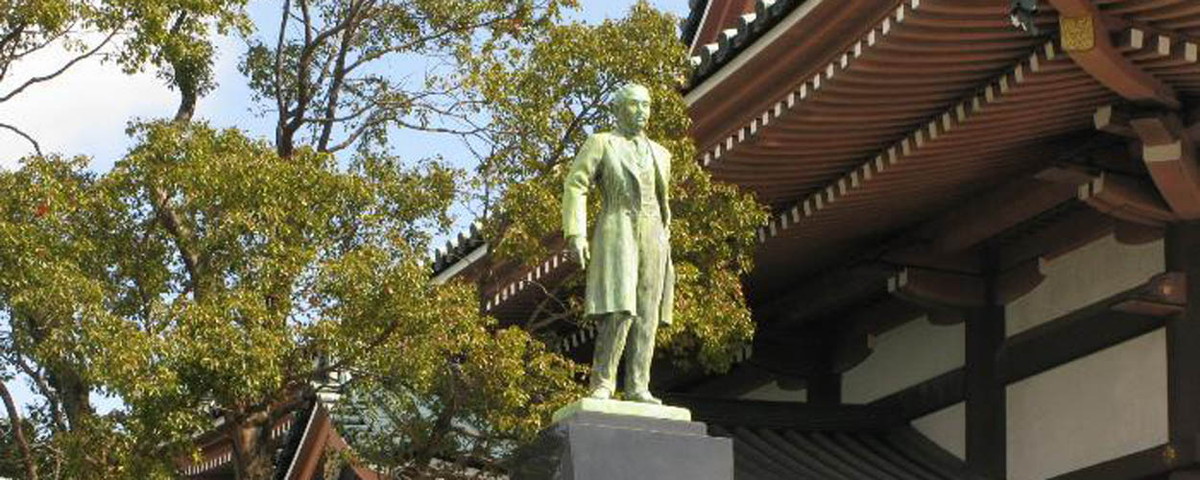
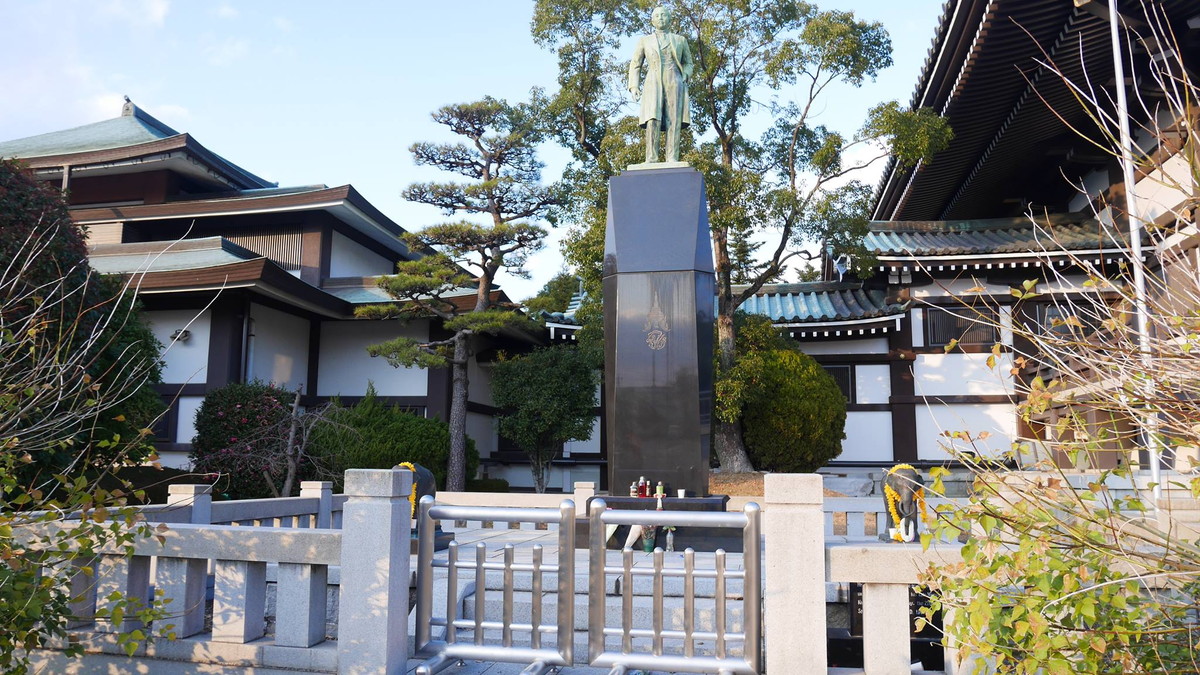
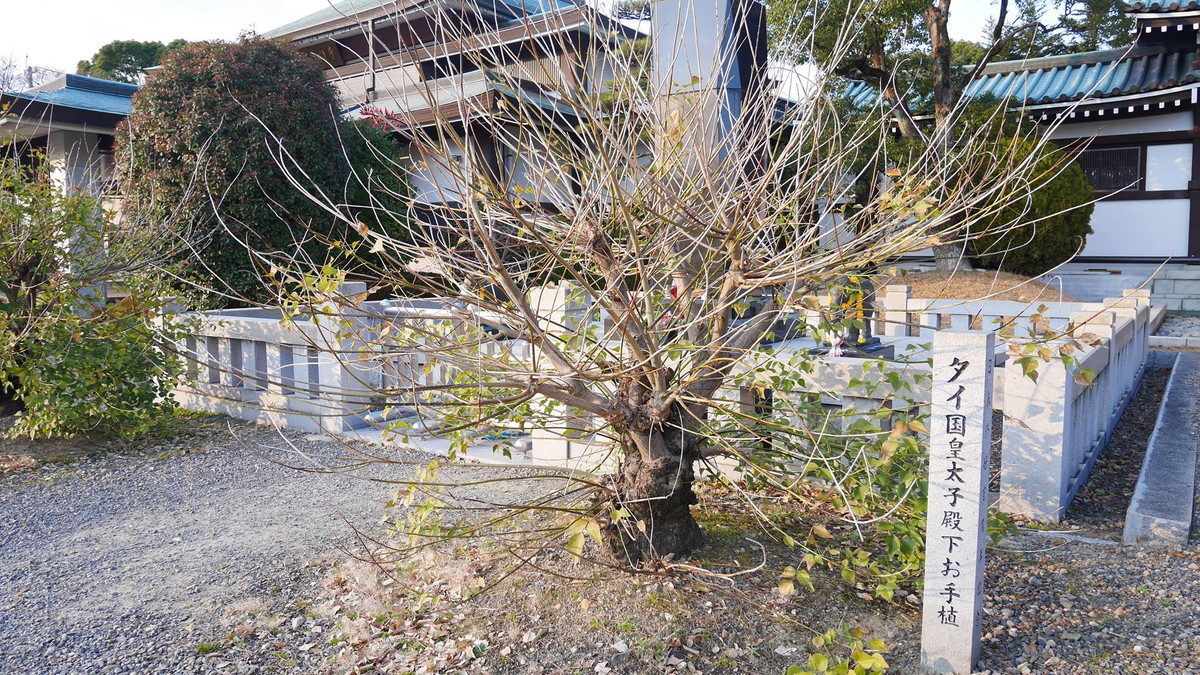
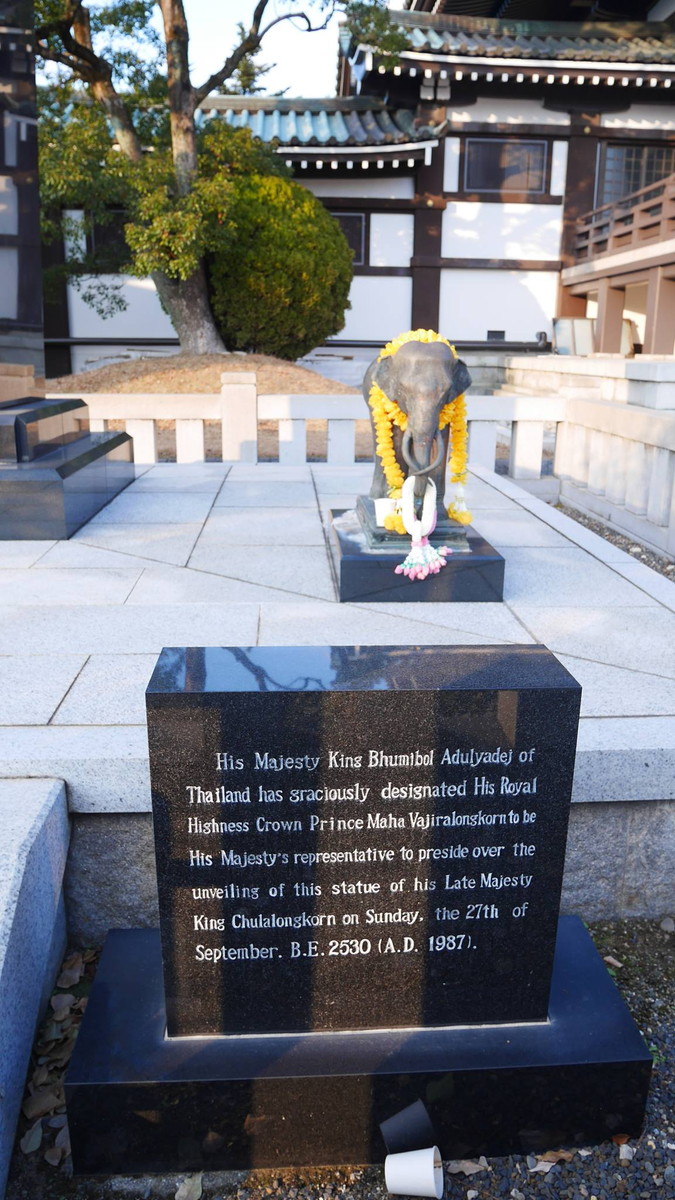
•The statue of King Chulalongkon: adorned by the “kaikozu” flower planted by the Crown Prince of Thailand himself, and which blooms on May and June
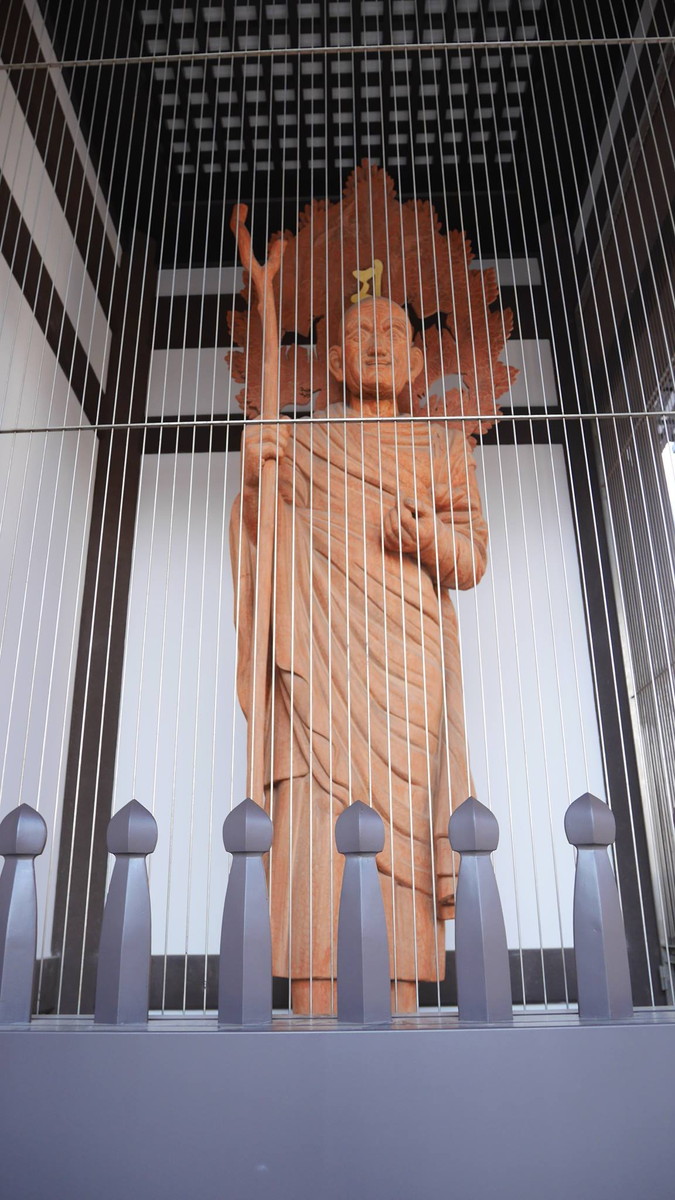
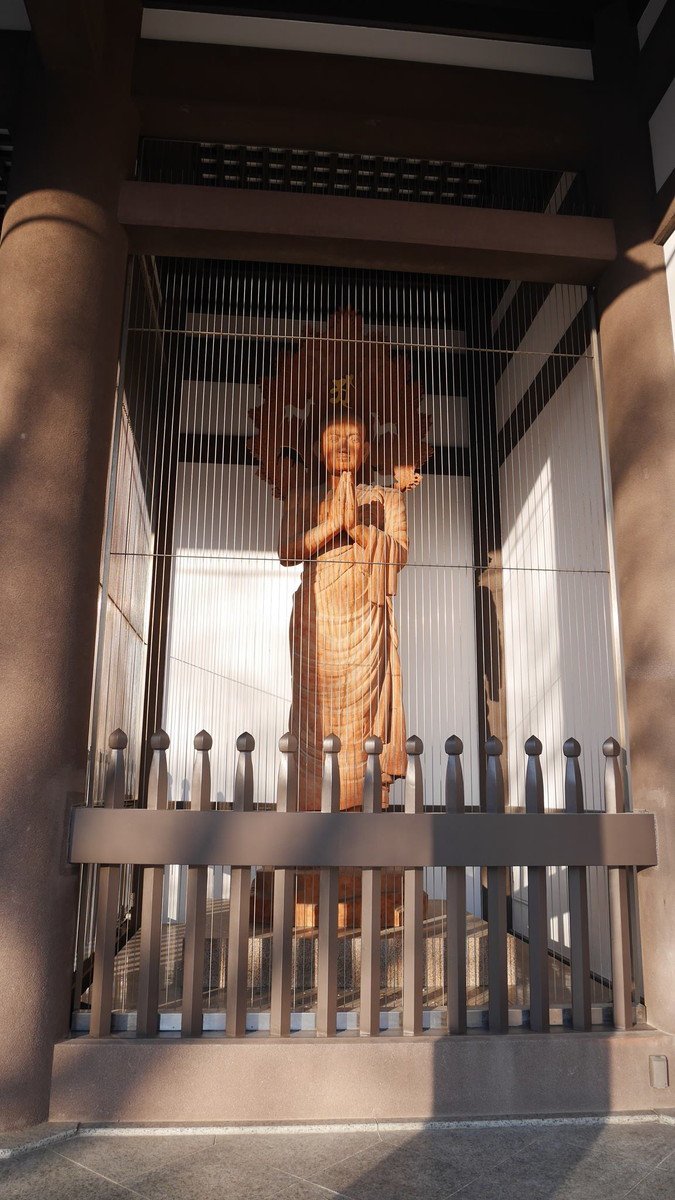
•Main Gate with the two majestic statues of Ananda and Mahakasyapa
•Bell Tower
•“Koshakudai” Incense Hall
•“Fumonkaku” Wide Gate Hall
•“Hootai” Phoenix Hall
•“Soketsuan”, or “Taroan” Tea House
•The “Hachiju-hakkasho Reijo”, a simulacrum of the pilgrimage throught the 88 Spiritual Spots of Japanese Buddhism
Recommended courses including this spot
- Full Day Nagoya’s “Other” Attraction ...
Spot info


| Location | 〒464-0057 1-1, Hoo-cho, Chikusa-ward, Nagoya-City, Aichi |
|---|---|
| Price | Free |
| Business days/hours | 5:00 to 16:30 |
| Parking | Available |
| Restrooms | Available |
| Days closed | Open everyday |
| Inquiries | 052-751-2121 |
Note: This page may not be current due to update time differences between site databases.
Should accuracy be critical, please verify this information using a direct source, whenever possible.
Accessibility





LINKS
DIRECTIONS
-

- By public transportation
- From Nagoya Station, take the subway Higashiyama Line.
Alight at Kakuozan Station and 15 minutes' walk.
-

- By car
- 20 minutes from Nagoya Expressway Fukiage-higashi Exit.
Share spot via smartphone
OTHER SPOTS IN THE SURROUNDING AREA
 Nagoya-City
- Yokiso
- Yokiso is a villa built by Ito Jirozaemon Suketami the 15th, the first president of Matsuz...


 Nagoya-City
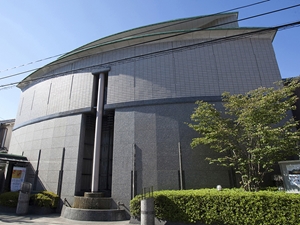
- Furukawa Art Museum (Tamesaburo Memorial Museum)
- The late founder and director of Furukawa Art Museum, Furukawa Tamesaburo, steadily collec...
 Nagoya-City
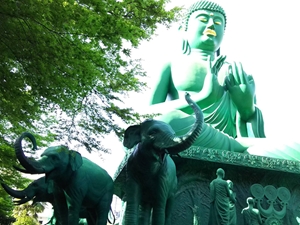
- The Great Buddha of Nagoya at Toganji Temple
- Toganji is a Buddhist temple of the Soto sect founded in the 1500s by lord of Suemori Cast...

 Nagoya-City
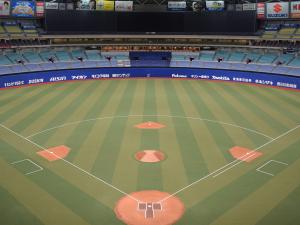
- Vantelin Dome Nagoya
- Vantelin Dome Nagoya is the home stadium for Aichi's baseball team the Chunichi Dragons. T...


 Nagoya-City
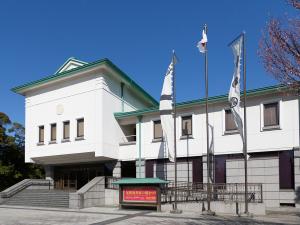
- The Tokugawa Art Museum
- Opening in 1935, the Tokugawa Art Museum has long been a haven for historical belongings o...

 Nagoya-City
- Tokugawaen Garden
- Tokugawaen Garden is built on the former mansion premises of Tokugawa Mitsutomo, the secon...