


- HOME
- Search in the site
- Chiryu-juku Post Town
Chiryu-juku Post Town
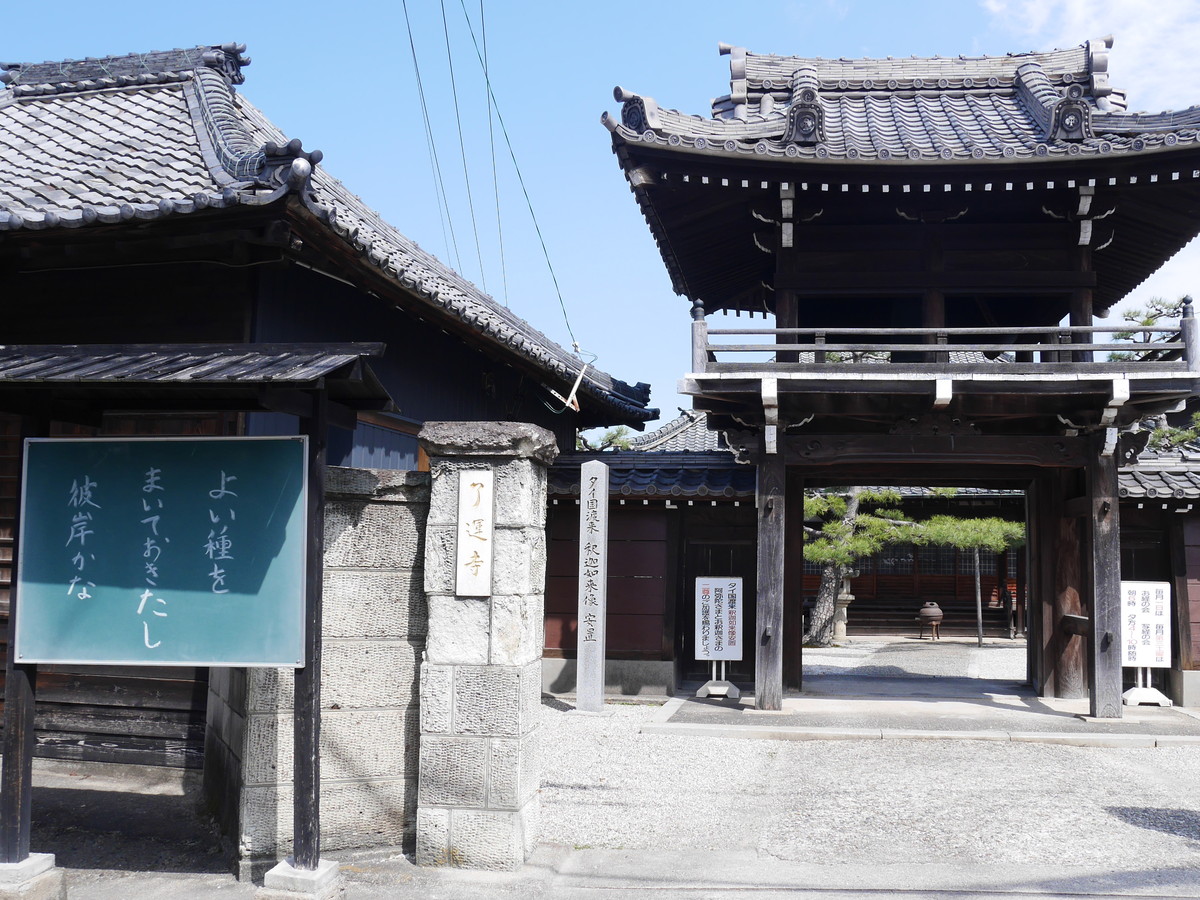
The Tokaido Road's Chiryu-juku Post Town
The 39th of the 53 post town stations along the Tokaido Road was Chiryu-juku, in modern-day Chiryu City, Aichi Prefecture. Chiryu-juku was about 330 kilometers, or around ten days' travel time, from the start of the Tokaido Road, in Tokyo’s Nihombashi district.
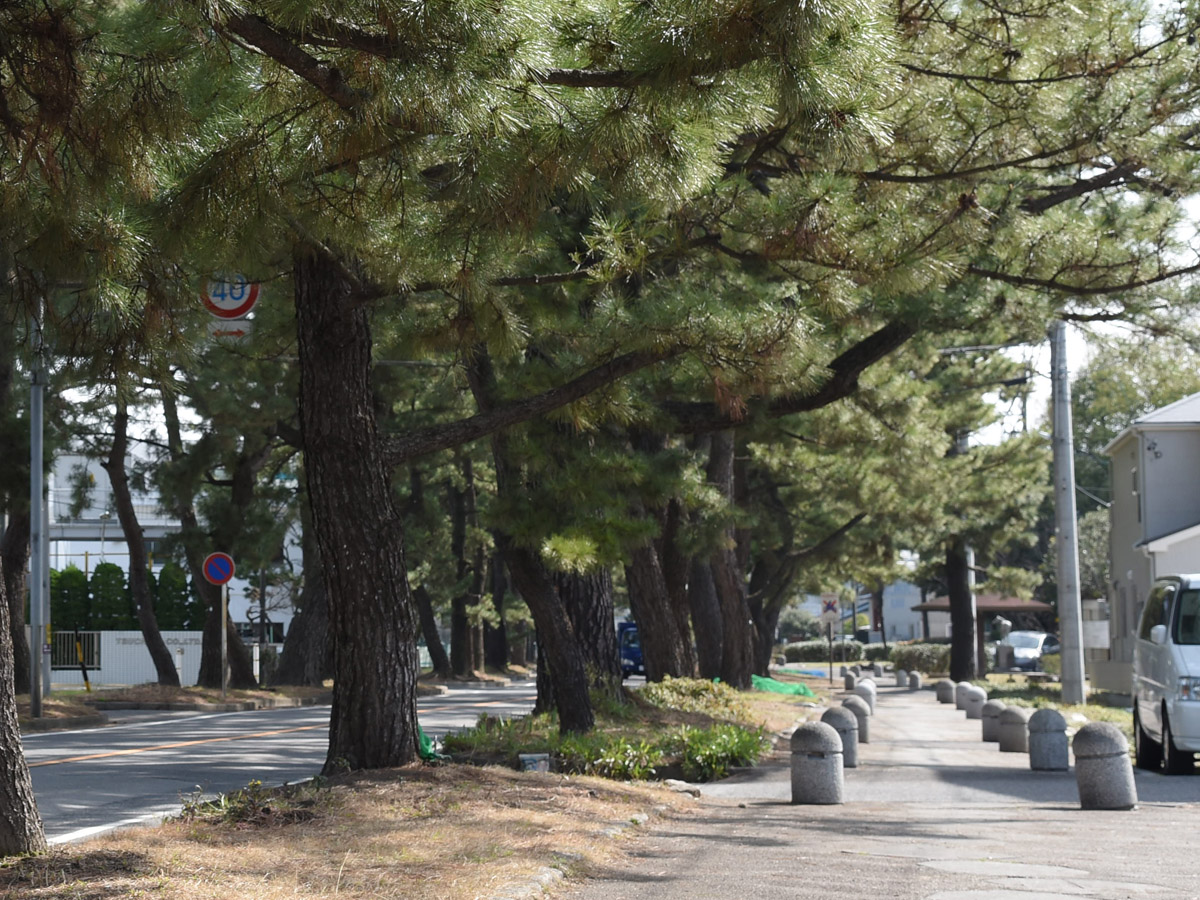
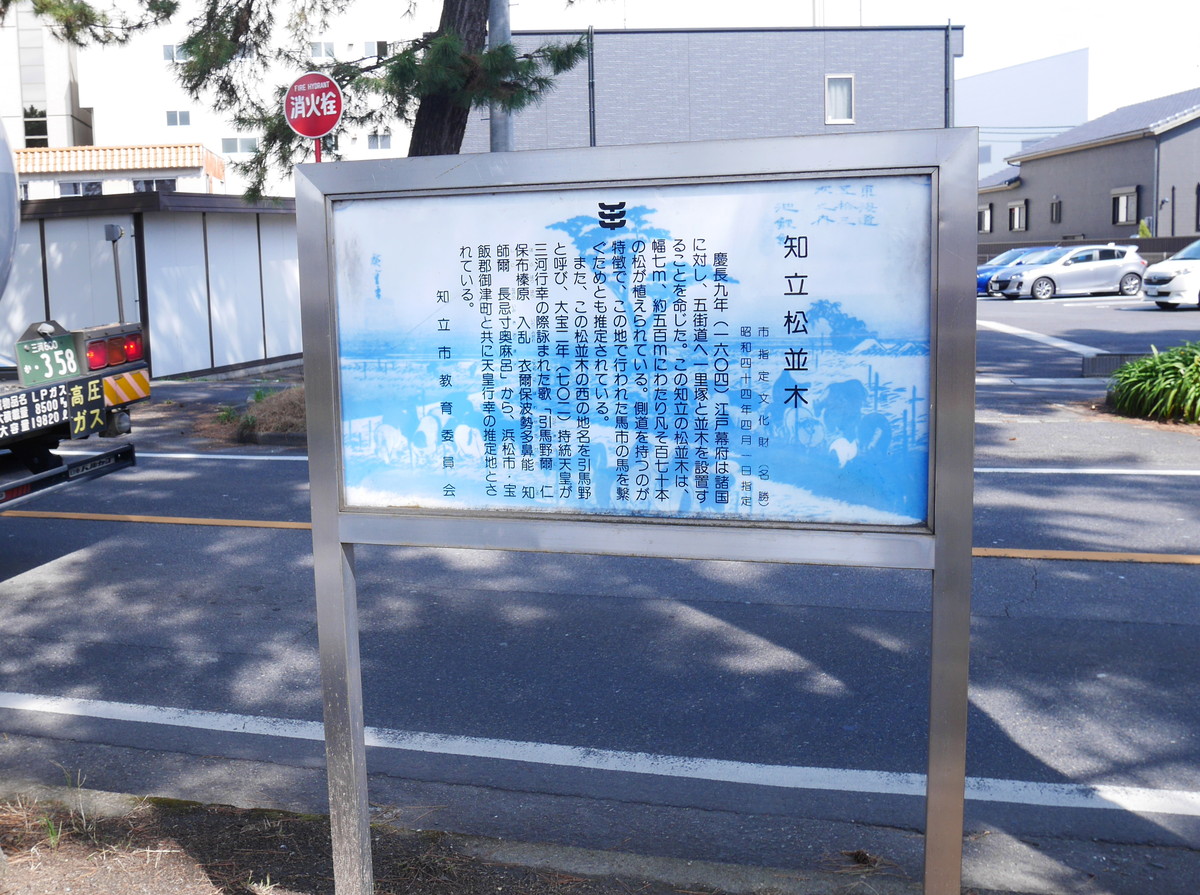
In 1604, the Shogun Tokugawa Ieyasu ordered pine trees be planted every 4 to 7 meters apart along the Tokaido Road as shade from the elements for travelers. Many of those trees—around 70%—were destroyed in the great Ise Bay Typhoon of 1959, and so in 1970, 158 pine trees were replanted and now remain as a rare reminder of how the old Tokaido Road once looked.
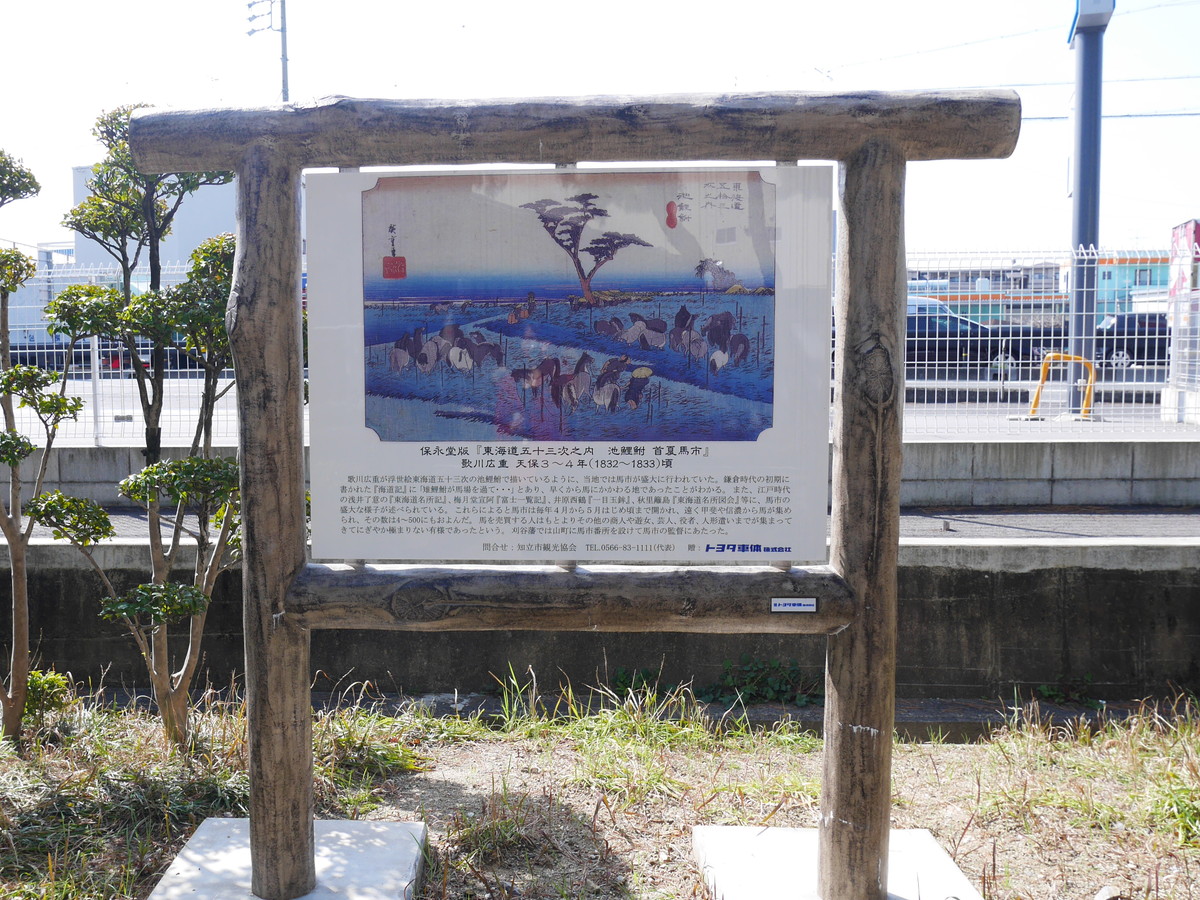
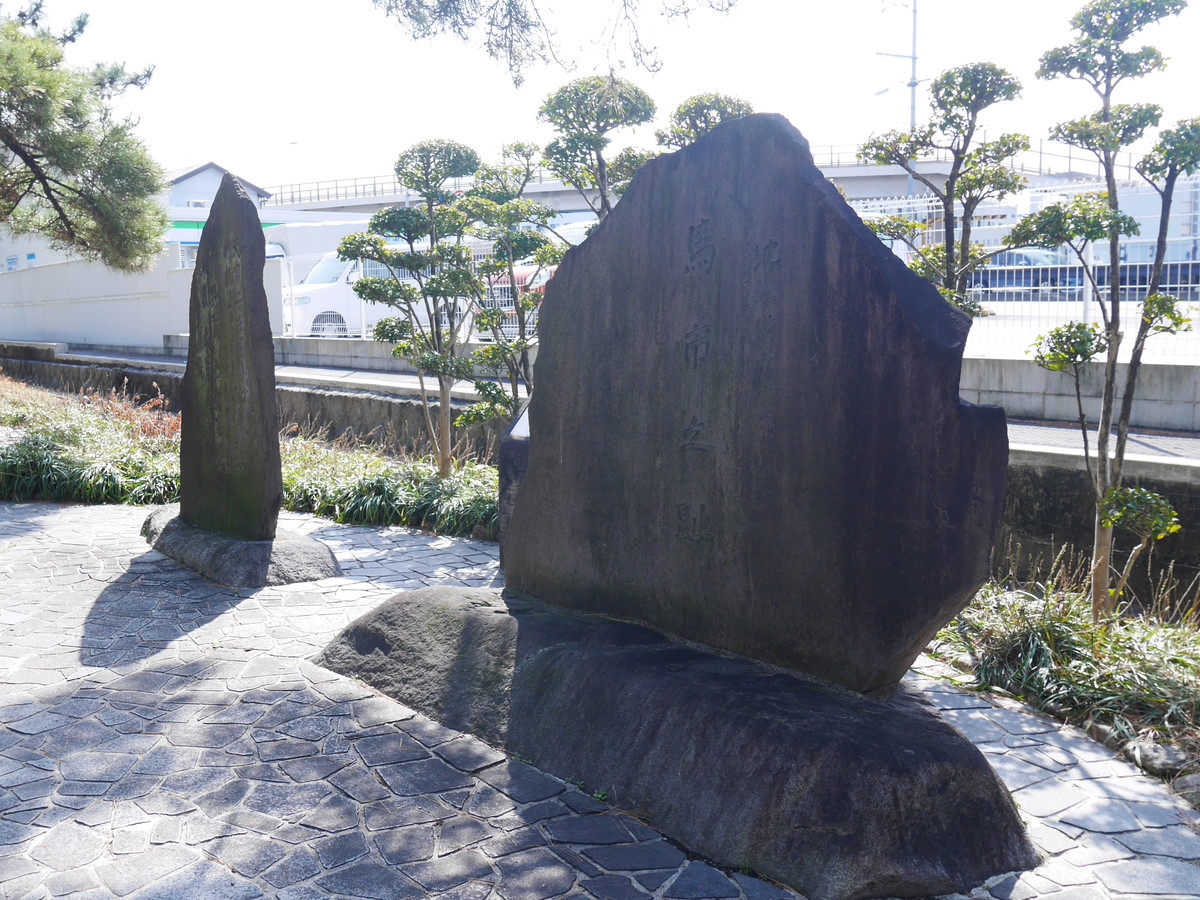
The area around Chiryu-juku was famous in the Edo period for its annual horse market which continued well into the Showa Period (1926–1989). This Chiryu horse market is depicted in the Hiroshige woodblock print series showing the 53 scenes along the Tokaido Road.
Chiryu was also famed for its production of cotton, a specialty product, today for the Heian period Muryojuji Temple along with the adjoining Yatsuhashi Water Iris Garden, and for the tahoto pagoda at Chiryu Jinja Shrine.
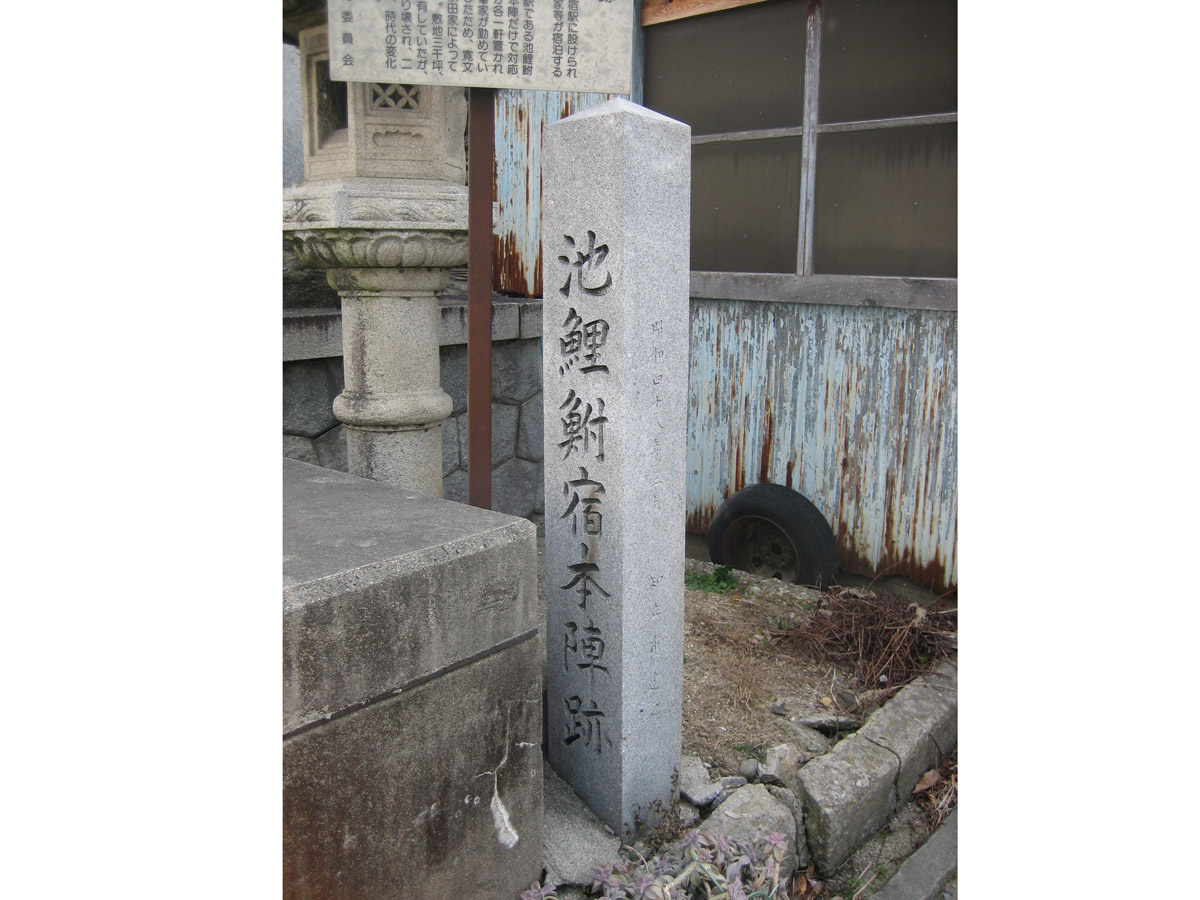
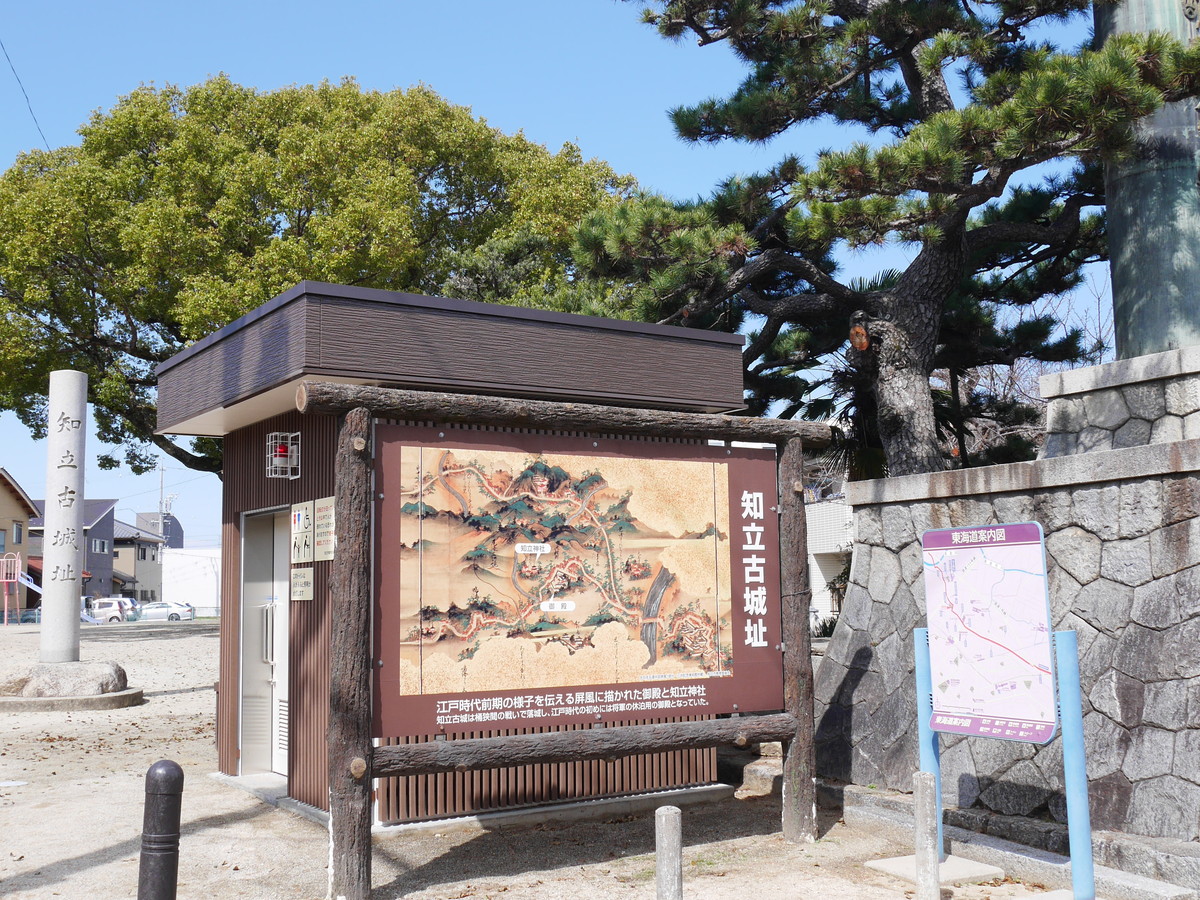
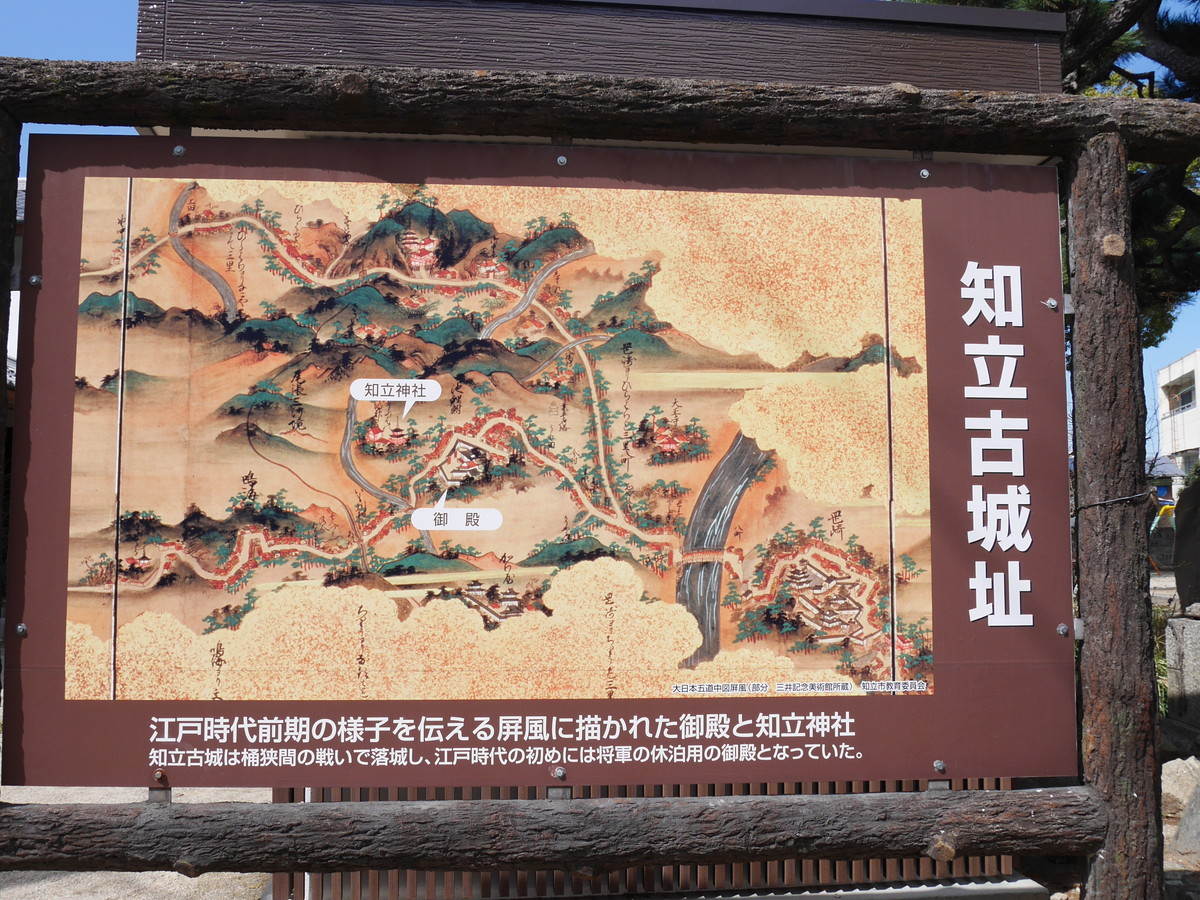
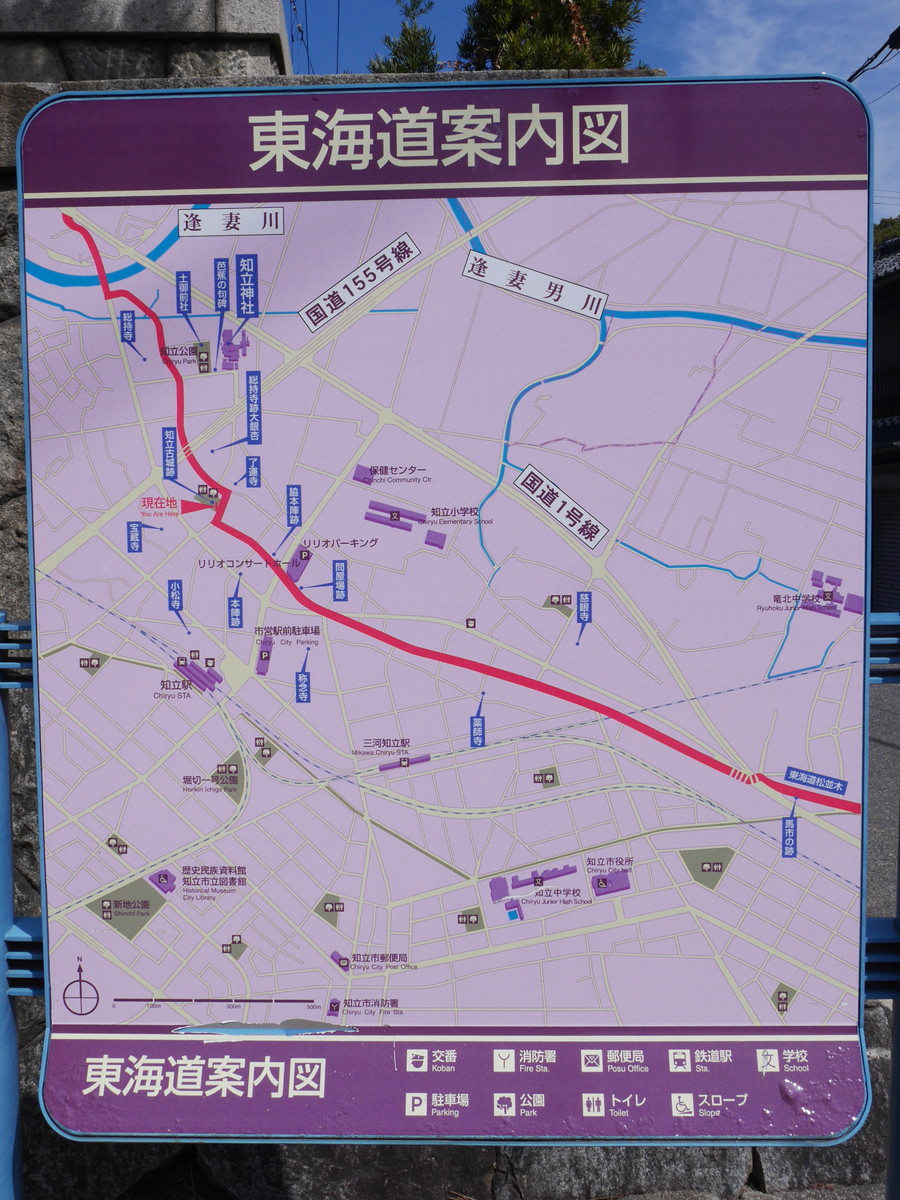
A suggested course through Chiryu starts at ancient Muryojuji Temple and the Yatsuhashi Water Iris Garden, then via the rows of pine trees along the Tokaido Road to the site of the former inn reserved for samurai travelers before heading to the ruins of Chiryu Castle, and finally to the Chiryu Jinja Shrine.
Spot info


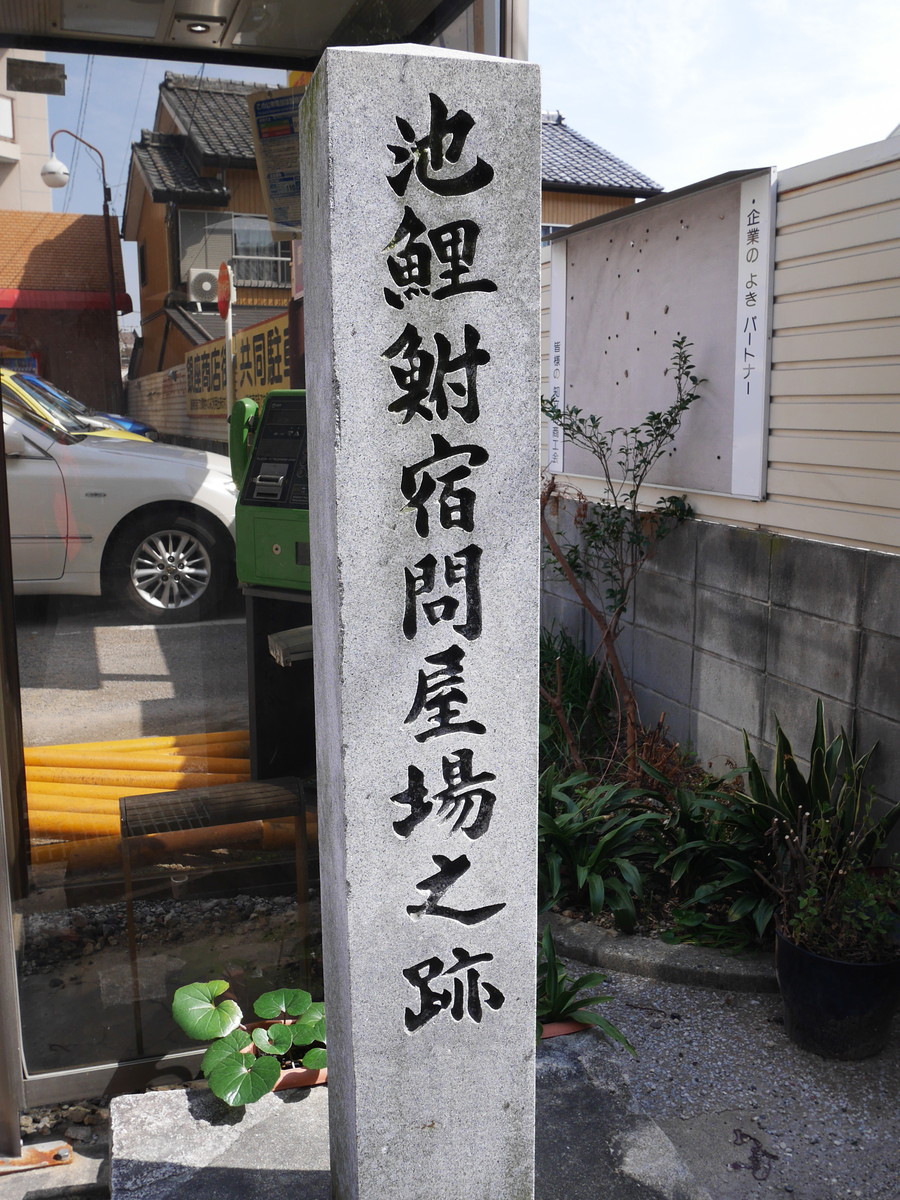
| Location | 〒472-0033 26 Naka, Naka-machi, Chiryu-shi, Aichi (Chiryu-juku Toiyaba Remains) |
|---|
Note: This page may not be current due to update time differences between site databases.
Should accuracy be critical, please verify this information using a direct source, whenever possible.
DIRECTIONS
-

- By public transportation
- Just outside Chiryu Station, available from Nagoya Station on the Meitetsu Nagoya Line.
Share spot via smartphone
OTHER SPOTS IN THE SURROUNDING AREA
 Chiryu-City
- Yatsuhashi Water Iris Garden
- The kaiyu-style Yatsuhashi Water Iris Garden is located in the grounds of Muryojuji Temple...


 Kariya-City
- Kariya Highway Oasis
- Kariya Highway Oasis is a complex establishment next to the Kariya Parking Area along the ...